Reporting

ESG & Investors: Finally speaking the same language

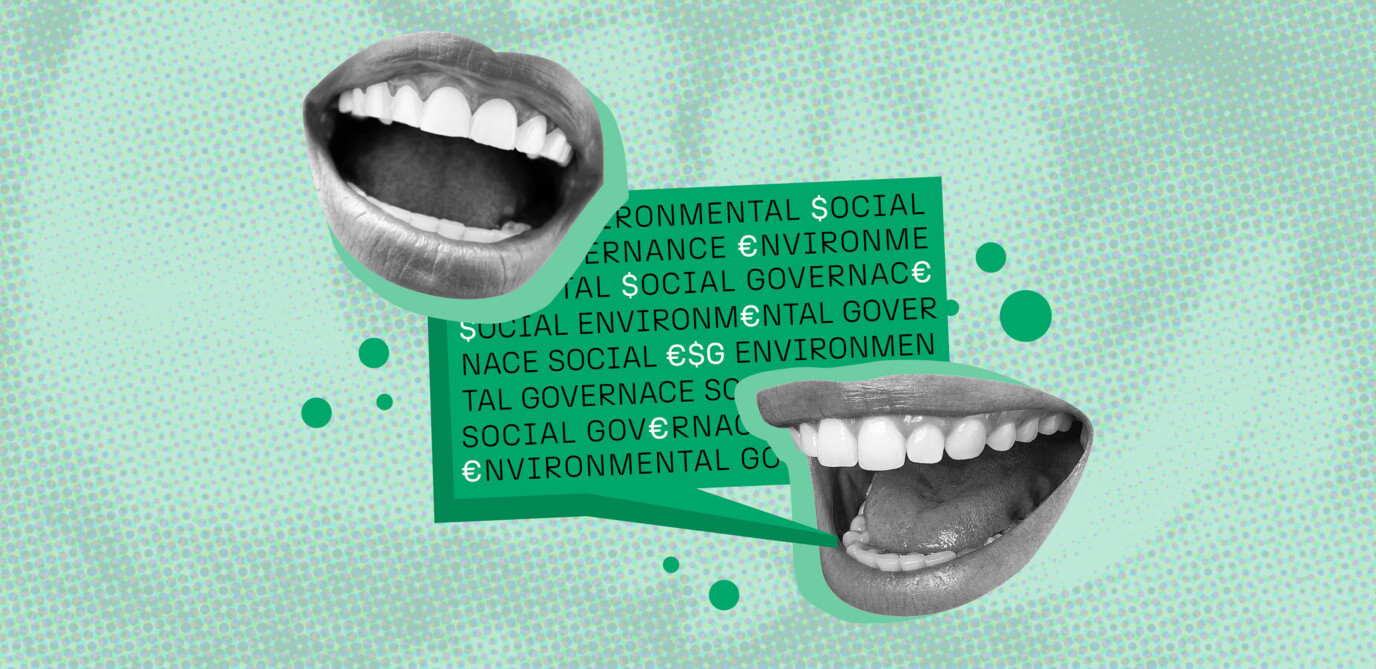
graphic of two mouths talking, with ESG wording in the background

AUTHOR: WHITNEY HOLLIS
READ TIME: 5 MINS

After years of translating sustainability into finance-speak, the IFRS S1 & S2 framework is finally catching up. The framework is homogenising the approach, with 36 jurisdictions considering adoption. Here, Senior Sustainability Consultant Whitney Hollis offers her take on the new UK SRS framework. Those that approach it strategically – robust disclosure, credible narrative, integrated data – will gain preferential access to capital and enhanced credibility.

The UK Sustainability Reporting Standards are finalised. Mandatory reporting for listed companies will apply for financial years starting on the 1st of January 2027. But here’s the thing: this isn’t just another reporting requirement landing on your desk. This is a sustainability disclosure that is finally speaking the same language as your finance team – and that changes everything.


We’ve been doing the translation manually for years

I’ve been in corporate sustainability for over 14 years. And honestly? A disproportionate amount of that time has been spent proving the financial case for sustainability. Running ROI calculations on operations. Building business cases that CFOs would actually engage with. Translating environmental and social metrics into risk and opportunity language.

We’ve pushed that boulder up the hill for years, doing various translations along the way. Now we’re getting some reprieve. The European Sustainability Reporting Standards and ISSB are built around financial materiality – using your company’s existing risk framework as the foundation. The UK SRS takes this further, moving beyond climate-related impacts to capture all potential material financial risks and opportunities.

Suddenly, sustainability disclosure isn’t a separate language. It’s integrated into how your business already thinks about risk and opportunity.

“This is a sustainability disclosure that is finally speaking the same language as your finance team – and that changes everything.”

This isn’t a TCFD reskin

Let’s be clear: the UK SRS goes significantly further than TCFD. According to analysis published in the Harvard Law School Forum on Corporate Governance, more than 50% of the IFRS S2 cross-industry disclosure requirements are additional to TCFD. Another 26% are substantial advancements to the TCFD recommendations, which expand on strategy and granular disclosure of climate metrics and targets.

Furthermore, IFRS S1 sets out the general disclosures for which companies will need to conduct a single materiality assessment focused on financial impact. These will focus on human capital, water, supply chain, biodiversity and beyond. I’d recommend looking at the SASB materiality finder, as it can isolate industry-specific metrics aligned to what investors actually care about. It’s designed to create disclosures that investors can genuinely use for decision making.

If you need a quick recap of timelines and key requirements for IFRS S1 and S2, look no further than our run-down in this article.


The real divide: compliance mindset vs. strategic advantage

Some will see UK SRS as compliance. Fine. They’ll produce reports that technically satisfy requirements and move on. But for those of us who’ve spent years proving sustainability’s financial relevance? We see this differently. The more robust your disclosure, the stronger your access to capital and the more credible your positioning. This is a strategy for financial resilience – not a tick-box exercise.

The data backs this up. PwC’s Global Investor Survey 2026 shows investors want evidence for their decisions – which focus on clear metrics around AI and sustainability, robust governance, and transparent resilience strategies – before committing capital. Furthermore, 77% of UK investors now agree that companies should embed ESG directly into corporate strategy. The UK SRS gives you the framework to demonstrate exactly that.

“The more robust your disclosure, the stronger your access to capital and the more credible your positioning. This is a strategy for financial resilience – not a tick-box exercise.”

The reporting model needs to evolve

Here’s the practical implication: as disclosure becomes more investor-focused, the report itself needs to evolve. The content will become more technical, more financially oriented, more regulator-ready. Which is exactly what investors need. But it also means that employees, customers and communities will need a different approach. You can’t serve both audiences with the same document anymore.

At Conran Design Group, we see two directions emerging:

  • Option one: A single integrated report with a strategic summary upfront and detailed ESG disclosures in the back section.
  • Option two: A dedicated disclosure report for compliance and investors, plus a separate report or communications strategy focused on your sustainability actions and impacts for broader stakeholders.

This is the new direction of sustainability reporting and communications. The framework has shifted – and the way you tell your story needs to shift with it.


Start preparing now

If you are thinking about UK SRS readiness, here’s where to focus:

  1. Run a gap assessment: Map current content against UK SRS disclosure requirements
  2. TCFD to S2 transition: Identify where existing climate disclosures need expansion
  3. Scope 3 readiness: Strengthen measurement and prepare for detailed disclosure
  4. SASB alignment: Adopt industry-specific metrics material to your sector
  5. Financial quantification: Use your existing risk framework to assess sustainability impacts
  6. Governance alignment: Ensure board and committee structures reflect sustainability priorities
  7. Assurance preparation: Build documentation and controls for third-party verification
  8. Digital tagging: Prepare for XBRL or equivalent digital reporting requirements


The opportunity is in the framing

The UK SRS creates a rubric for investor-grade sustainability communication. That’s genuinely new. But disclosure alone doesn’t build trust – narrative does. The companies that succeed will be those that integrate data, strategy and corporate story into a coherent whole.

At Conran Design Group, we help companies through this transition – preparing disclosure, shaping narrative and developing communications strategies for broader stakeholder audiences.


If you’re beginning to think about your UK SRS approach, let’s talk.
Whitney Hollis

Senior Sustainability Consultant - LDN

More from Whitney
Whitneyhollis